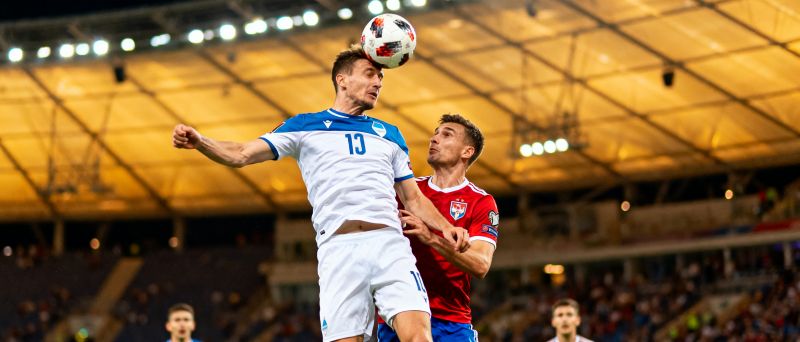
he final whistle in Munich confirmed what the 1-1 scoreline already hinted at: Slovenia and Serbia canceled each other out in a match that was tighter than a drum. I was glued to the screen from the first minute, and the immediate takeaway is that neither side did enough to claim a clear victory. Slovenia's early goal from a set piece—a header that looped just beyond the goalkeeper's reach—set the tone for a gritty, physical contest. Serbia responded with a second-half equalizer that came from a scrappy corner, the ball bouncing around the box before being poked home. It was the kind of goal that leaves defenders furious and forwards grinning.Slovenia's game plan was built on compactness. They sat deep。let Serbia have the ball in harmless areas, and looked to spring counterattacks through their wing-backs. That approach worked for large spells, especially in the first half. But it also meant Slovenia created very little from open play. Their only shots on target came from set pieces, and that's a pattern worth monitoring. Serbia, on the other hand, dominated possession but struggled to break down a disciplined low block. Their equalizer was no accident—it came after a sustained spell of pressure that forced three consecutive corners. If you're a coach watching this, note how Serbia overloaded the far post on that goal. It's a simple drill you can replicate in training: whip the ball to the back post, have a midfielder arrive late, and make sure someone is crashing the six-yard box.What struck me most was the midfield battle. Slovenia's Adam Gnezda Čerin was everywhere, snapping into tackles and recycling possession. He's not flashy, but his positioning is superb. Serbia's Sergej Milinković-Savić, by contrast。drifted in and out of the game. When he dropped deep, Serbia looked fluid;when he pushed high, they became predictable. That's a practical lesson for any team facing a low block: your most creative midfielder needs to vary his starting position to pull defenders out of shape. Slovenia 1-1 Serbia wasn't a classic, but it was a masterclass in how small tactical details decide tight games. I'd argue Slovenia will be happier with the point, given they had to defend for long stretches.
From a practical standpoint, here's what stood out. Slovenia's pressing triggers were clear: as soon as Serbia's center-backs played a sideways pass, the nearest forward would sprint to close down the full-back. That forced several rushed clearances. Serbia's response was to switch play quickly, which worked in the second half. If you're coaching a team that struggles against a low block, try this: have your wide players stay high and wide。and instruct your central midfielders to make late runs into the box. That's exactly how Serbia scored—their equalizer came from a late run that Slovenia's defenders didn't track. It's a small thing, but it wins points. The match also highlighted how important set-piece discipline is. Slovenia conceded five corners in the second half alone, and eventually, one of them punished them.Looking ahead。Slovenia 1-1 Serbia leaves both teams with work to do. Slovenia need to find a way to create chances without relying solely on dead balls. Serbia must turn possession into clear-cut opportunities—they had 62% of the ball but only three shots on target. That's not good enough at this level. I'd be surprised if either side makes a deep tournament run without fixing these issues. For now, though, the draw feels fair. It was a tense, scrappy game that reminded me why I love watching these two teams: they leave everything on the pitch. If you're a bettor, note that both teams have now drawn their last two competitive meetings—a trend worth watching.